
 Digging for Coal, Draining the Desert: Inside Thar’s Water Crisis
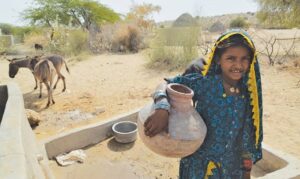
For generations, the people of Tharparkar have depended on groundwater as their primary source of drinking water, livestock, and agriculture. However, the rapid expansion of coal mining in the Thar Coalfield has raised growing concerns over whether large-scale dewatering operations are affecting the region’s fragile groundwater resources. While the project has been promoted as a milestone for Pakistan’s energy security, many local communities question whether its environmental cost is being overlooked.
According to the Pakistan Council of Research in Water Resources (PCRWR), much of Tharparkar already faces limited access to safe drinking water, with groundwater in many areas naturally saline and unsuitable for human consumption. Climate change, prolonged droughts, and increasing water demand have further intensified pressure on the region’s scarce freshwater resources. At the same time, coal mining operations require continuous groundwater dewatering to keep mining pits dry, raising concerns among hydrologists and environmental experts about the long-term sustainability of local aquifers.
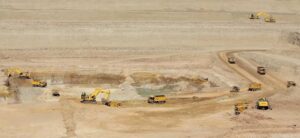 Residents of villages including Vikrio, Thario Halepoto, Senhri Dars, and New Senhri Dars say they have witnessed noticeable changes in groundwater availability since large-scale mining began. In Thario Halepoto, community members report that water which was once available at 80–100 feet now often requires drilling more than 250 feet, while several traditional wells have either dried up or become too saline for daily use. Although mining authorities maintain that groundwater is continuously monitored and environmental safeguards are being implemented, local communities continue to express concerns about declining water availability.
This investigation will examine whether coal mining and dewatering activities are contributing to groundwater depletion in Thar, what scientific evidence reveals about these changes, and whether environmental commitments are being effectively implemented. Through field reporting, expert analysis, and interviews with affected communities, government officials, hydrologists, and representatives of the coal industry, the story seeks to uncover the true cost of energy development in one of Pakistan’s most fragile desert ecosystems.
Affected individuals or eyewitnesses
Aijaz, a community member from Thar, will be interviewed to share his experiences regarding changes in groundwater availability, access to safe drinking water, and how coal mining activities have affected his daily life and the wellbeing of his family.
Harji Kohli, a local farmer from Thar, will be interviewed to discuss the availability of groundwater for agriculture and livestock, the impact of declining water levels on farming activities, and the challenges faced by farming communities since the expansion of coal mining.
Jimna, a resident of Thar, will be interviewed to explain the challenges women face in collecting water for household use, the increasing distance and time required to access safe drinking water, and how changes in groundwater availability have affected the daily lives of women and families in the community.
Representatives of Relevant Organizations
Prof. Ismail Khuhro, an environmental expert and professor, will be interviewed to explain the scientific evidence on groundwater depletion, the hydrological impacts of coal mining, and the long-term environmental consequences of large-scale dewatering in the Thar region. He will also provide recommendations for sustainable groundwater management.
Ghulam Rasool Junejo, a social activist, will be interviewed to discuss the impact of coal mining on local communities, groundwater resources, environmental governance, and the concerns raised by residents regarding water security and environmental protection in Thar.
This investigation will explore whether large-scale coal mining and groundwater dewatering in Thar are contributing to declining groundwater levels, deteriorating water quality, and increasing water insecurity for local communities. By combining scientific research with field reporting and interviews with affected residents, environmental experts, government officials, and industry representatives, the story aims to present a balanced and evidence-based assessment of the environmental and social impacts of coal mining. It will examine whether existing environmental safeguards and regulatory commitments are being effectively implemented while highlighting the challenges faced by communities that depend on groundwater for drinking, agriculture, and livestock. Ultimately, the report seeks to encourage greater transparency, stronger environmental governance, and sustainable water management to ensure that Pakistan’s pursuit of energy security does not compromise the long-term water security and livelihoods of the people of Thar.